If you live in Haslet, there’s a good chance your home is newer than most in the DFW metro. That’s usually a good thing. But when it comes to air ducts, new doesn’t mean clean, and that surprises almost every homeowner we meet out here.
At Clean Master Carpet Cleaning, we’ve spent over 26 years cleaning air ducts in Haslet and across the greater DFW metro. We’re NADCA and IICRC certified. And the single most common thing we find in Haslet homes isn’t years of household dust, it’s construction debris that was in the ductwork before anyone ever moved in.
Here’s why that happens. Ductwork gets installed early in the building process, usually right after framing. Then drywall goes up, gets sanded, and gets sanded again. Flooring gets cut. Trim gets nailed and caulked. Insulation gets blown in. All of that happens with the duct runs already in the walls and attic, frequently uncapped, sitting open like a set of collection bins. In a lot of builds, the HVAC system runs during finish-out to keep the crew comfortable, which means it’s actively pulling drywall dust, sawdust, and insulation fibers into the system.
Then the house gets a final clean. The floors get mopped, the windows get wiped, and it looks spotless at walkthrough. Nobody cleans the ducts. Builders almost never do, it’s not standard, it’s not required, and it’s out of sight.
So the dust sits there. And every time your HVAC system kicks on, some of it comes back out.
The Symptoms Haslet Homeowners Usually Notice First
The complaints we hear in new Haslet homes follow a pattern:
- Dust that resettles on furniture a day or two after cleaning
- Visible dust puffing out of supply vents when the system starts
- Allergy symptoms, coughing, or sinus congestion that started after move-in
- A stale or chalky smell when the air first comes on
- Symptoms that ease when the family leaves the house and return within a day or two of getting back
That last one is the most telling. When symptoms track the building rather than the season, the building is worth investigating.
DIY vs. Professional Duct Cleaning: A Side-by-Side Comparison
| Factor | DIY Cleaning | Professional Cleaning |
| Cost | Low, vacuum attachments, filters, tools you may already own | Custom quote based on system size and condition |
| Time | 2 to 4 hours for vent covers and registers | Typically 2 to 4 hours on-site, with full-system access |
| Equipment | Household vacuum, brushes, disposable filters | Negative air pressure systems, rotary brushes, HEPA-filtered vacuums, video inspection cameras |
| Depth of cleaning | Reaches vent covers and a short distance into the duct | Cleans the entire system, supply and return runs, plenum, coils, and blower components |
| Risk | Can push dust deeper into ducts or tear flex duct if done incorrectly | Low risk when performed by certified technicians |
| Where the dust ends up | Often back into the room, household vacuums don’t hold fine drywall dust well | Captured in sealed HEPA filtration and removed from the home |
| Best for | Light dust on vent covers, routine upkeep between full cleanings | Construction debris, mold concerns, pest contamination, post-renovation cleanup, unexplained allergy symptoms |
| Result | Surface-level improvement, often needs repeating | Measurable improvement in airflow and indoor air quality system-wide |
The short version: DIY reaches what you can see. Professional cleaning reaches what you can’t. Both have a place, the trick is knowing which one your house actually needs.
When DIY Duct Cleaning Is Safe in Haslet
You can likely handle this yourself if all of these are true:
- Your home is past the first year or two after construction, with no unusual dust events since
- You’re only cleaning visible vent covers and registers, not reaching deep into the ductwork
- There’s no visible mold, no musty odor, and no recent water damage
- You haven’t had recent construction, renovation, or duct repair work done
- No one in the household has new or worsening allergy or respiratory symptoms
- Airflow feels normal and consistent from room to room
- You’re comfortable accessing vents without disturbing insulation or damaging flex duct
How to do it well: turn the system off at the thermostat and the breaker before you start. Unscrew the vent covers and return grilles and wash them in the sink with dish soap, that’s where most of the visible dust lives. Vacuum as far into the opening as the hose comfortably reaches using a soft brush attachment.
Never force anything rigid into flex duct, the inner liner tears easily, and a torn liner is a far bigger problem than dust. Change the filter, and in a new Haslet build, check it monthly for the first year since the builder-grade filter that came with the house fills up faster than most people expect. Note the date so you know when you last did it.
Done consistently, that’s real maintenance for a settled home with no specific problems. We’d rather tell you that than sell you something you don’t need.
When to Call a Professional
It’s time to bring in a certified technician if any one of these applies:
- You’ve moved into a new construction home in Haslet, builders rarely clean ducts before handoff, and drywall dust, sawdust, and insulation debris are almost always present
- You see dust blowing visibly out of vents when the HVAC kicks on
- Household members have unexplained allergy flare-ups, coughing, or sinus issues, especially if symptoms improve when they’re away from home
- You’ve finished a renovation involving drywall, demo, sanding, or flooring
- There’s visible mold, a musty smell, or you’ve had recent water intrusion
- There’s evidence of rodents, insects, or nesting material in the system
- Your energy bills have crept up without an obvious cause, restricted airflow makes your system work harder
- A room won’t hold temperature the way the rest of the house does
- It’s been more than 3 to 5 years since your last professional cleaning, or you don’t know when it last happened
Real Case Study: A New Haslet Home and a Child’s Cough
The situation: A family moved into a newly built home in Haslet. A few months after move-in, their youngest developed a persistent cough that was worst at night. They’d already replaced bedding and looked at everything in the bedroom. Nothing helped. What finally caught their attention: the cough eased during a week away visiting family, and came back within a couple of days of returning home.
What we found: During inspection, we found construction dust packed into the duct system, fine, chalky drywall dust mixed with sawdust and insulation fibers, coating the interior of the plenum and the first stretch of the supply runs. The blower wheel was caked with the same material. The filter was the basic builder-grade panel that came with the house, and it was gray. This is the exact signature of a system that ran during finish-out.
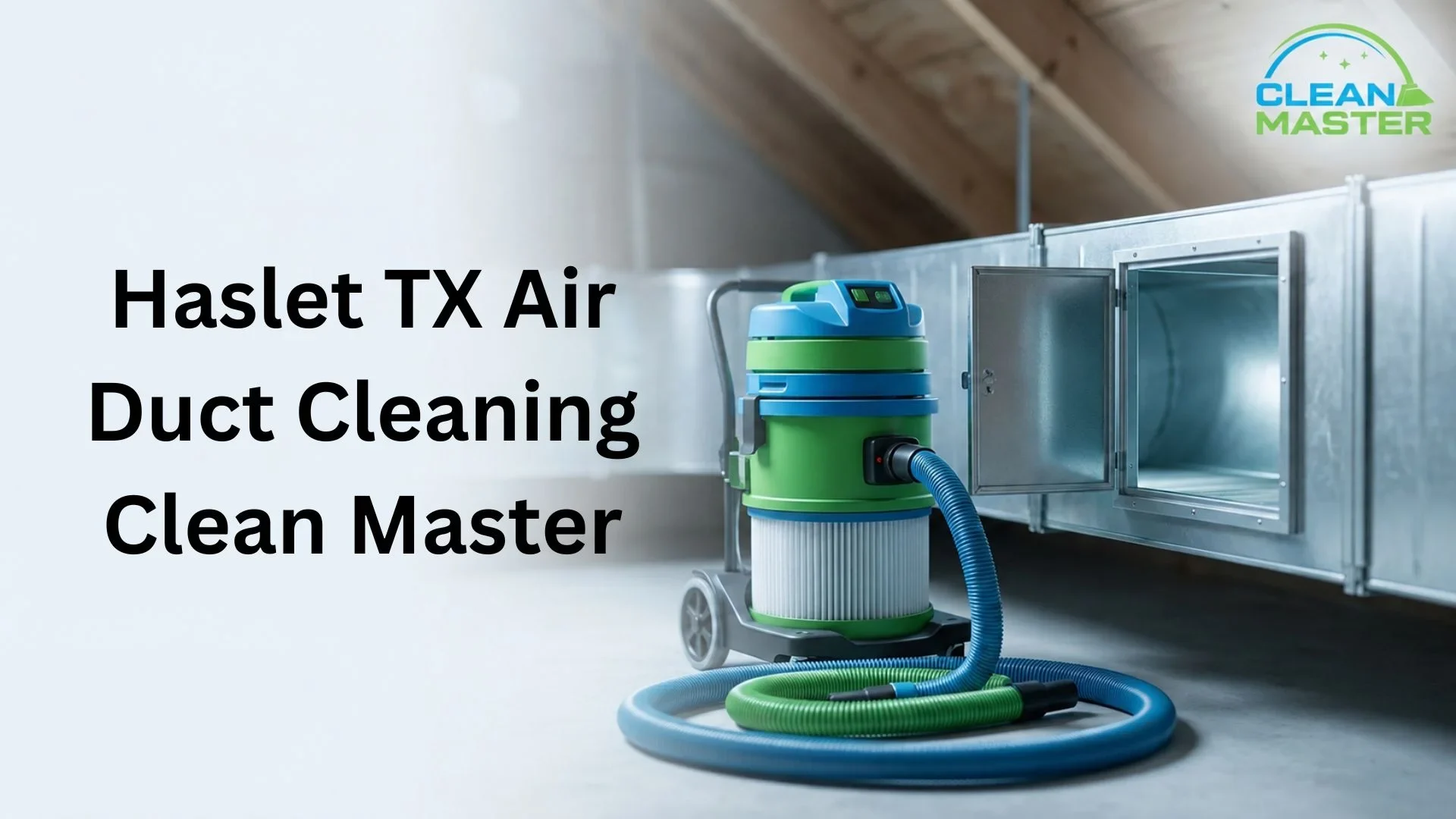
What we did: We performed a full inspection and a complete cleaning of the entire system using negative air pressure equipment, pulling the debris out of the home rather than pushing it around inside. That included the supply and return runs, the plenum, the blower components, and the coil. We finished with a better filter and a clear replacement schedule for the family to follow.
The result: The family reported the nighttime cough faded over the following weeks and hadn’t returned when we followed up. The general dustiness through the house dropped noticeably too.
The honest part: We won’t claim duct cleaning cures allergies, it doesn’t, and any company that tells you otherwise is overselling. What we can say is this: when there’s an identifiable source sitting inside the system, removing it helps. This pattern, new build, construction dust, symptoms that ease away from home, is one we’ve seen over and over in Haslet. “New” and “clean” are not the same thing when it comes to ductwork.
Nearby Air Duct Cleaning Service Areas
Frequently Asked Questions
Do new construction homes in Haslet really need air duct cleaning?
Yes, more often than not. Ductwork is installed early in the building process and stays exposed while drywall, flooring, and trim work continue around it. In many builds the HVAC system runs during finish-out, actively pulling construction dust into the system. Builders almost never clean the ducts before handoff.
How often should air ducts be cleaned in the Haslet area?
For most homes, every 3 to 5 years is a reasonable baseline. Move that up if you’re in a new construction home, you’ve recently renovated, you have pets, or anyone in the house has allergy or respiratory symptoms. The right timing depends on your home’s condition, not a fixed calendar.
Can I clean my own air ducts?
You can safely clean visible vent covers and registers yourself with a vacuum and dish soap, and that’s genuinely worthwhile upkeep. What you can’t reach is the rest of the system, the duct runs, the plenum, the blower wheel, and the coil. Those require negative air pressure equipment and HEPA filtration to clean without simply relocating the dust into your living space.
Will air duct cleaning help with allergies?
It helps when there’s an identifiable source inside the system, construction debris, mold, or pest contamination. A useful test: if symptoms improve when someone leaves the house and return when they come back, the system is worth inspecting. If symptoms track the pollen calendar no matter where you are, duct cleaning isn’t your answer.
Will duct cleaning lower my energy bill?
It can. Dust and debris buildup restricts airflow, which forces your HVAC system to run longer to reach the same temperature. Clearing that buildup often improves efficiency, though results vary by home and system condition.
Can mold grow in air ducts in North Texas?
It can, where moisture and a food source meet, most often near the coil, the drain pan, and the first stretch of supply duct. Construction dust happens to be a food source, which is one reason new builds deserve a look. If you see visible mold or smell mustiness, don’t spray bleach into the duct, that spreads spores and doesn’t address the water source causing it.
What certifications should I look for in a duct cleaning company?
Look for NADCA (National Air Duct Cleaners Association) and IICRC (Institute of Inspection, Cleaning and Restoration Certification) at minimum. These mean the technician follows industry standards for safe, thorough cleaning. It’s also fair to ask whether they use negative air pressure equipment and whether they’ll show you before-and-after photos of your own system.
Ready for a Duct Inspection in Haslet?
Whether you just moved into a new construction home, someone in the house has symptoms you can’t explain, or you’ve simply never had your ducts professionally cleaned, Clean Master Carpet Cleaning has spent over 26 years serving Haslet and the greater DFW metro. We’re NADCA and IICRC certified, and we know exactly what new-build ductwork in this area tends to be hiding. Contact us today for a free quote and inspection, we’ll tell you honestly whether your ducts need a full cleaning or whether you’re fine for now.